Bc Home Quest Uncategorized Transform Your Backyard with Exceptional Mount Dora Pool Services

Transform Your Backyard with Exceptional Mount Dora Pool Services

Elevate Your Pool Experience: Why Premium Pool Services Matter in Mount Dora

Maintaining a beautiful, clean pool isn’t just about appearances; it’s about safety, efficiency, and long-term enjoyment. With Mount Dora’s warm weather, pools can become the heart of family gatherings and relaxation, but they require expert attention to stay in top condition. Relying on Mount Dora pool services ensures that your pool remains a well-kept haven, free from unexpected issues and always ready for a refreshing dip. To achieve a pristine pool environment, relying on expert pool services is the smart choice.

Comprehensive Pool Services That Meet Every Need

1. Pool Resurfacing to Restore and Beautify

Over time, a pool’s surface can start to show signs of wear, making it appear dated or less inviting. Resurfacing can bring your pool back to life, giving it a smooth, attractive finish that enhances durability. With Mount Dora pool services, you can choose from premium finishes like quartz, pebble, or plaster, each offering unique benefits in terms of aesthetics and lifespan.

  • Quartz Finish: Known for its resilience and elegance, quartz provides a sleek, lasting look.
  • Pebble Finish: Adds texture and natural beauty, creating a true oasis effect.
  • Classic Plaster: Cost-effective and smooth, a perfect choice for a clean, modern look.

2. Custom Pool Renovations: Make Your Pool Uniquely Yours

Dreaming of a pool that stands out? A customized pool renovation allows you to add features that make it truly unique and functional. The Mount Dora pool services team offers tailored renovations, from energy-efficient lighting to serene water features and updated pool decking. Each renovation is crafted to transform your backyard into a personalized paradise that mirrors your style. Homeowners looking to upgrade should consider premium pool care for the best results.

Popular Renovation Features

  • Waterfalls and Fountains: Create a soothing ambiance with flowing water features.
  • LED Lighting: Enjoy your pool at any time, with vibrant or calming lighting.
  • Spa Additions: Extend your relaxation with a built-in spa area.

3. Reliable Pool Repairs and Regular Maintenance

Staying proactive with pool maintenance is crucial to prevent costly issues. Minor problems, like leaks or equipment malfunctions, can quickly escalate if ignored. With routine inspections and efficient repairs from Mount Dora pool services, your pool remains safe, functional, and beautiful. Regular maintenance helps avoid emergencies, prolongs your pool’s lifespan, and keeps your backyard escape worry-free.

  • Scheduled Inspections: Technicians identify and address potential issues early.
  • Chemical Balancing: Prevents algae growth and keeps water crystal clear.
  • Filter and Pump Maintenance: Ensures smooth operation and efficiency.

Tailored Mount Dora Pool Services to Meet Your Needs

Customized Maintenance Plans for Every Pool

Each pool has unique needs, and a one-size-fits-all maintenance approach isn’t always effective. Mount Dora pool services offer flexible maintenance plans tailored to your pool’s requirements, from basic weekly cleaning to more comprehensive monthly check-ups. Having a tailored plan allows you to focus on enjoying your pool, knowing that all aspects of its care are expertly handled. With backyard pool renovations, your pool can stay in top condition year-round.

Advanced Water Quality Management Techniques

Clean, clear water isn’t just for looks; it’s essential for health. With state-of-the-art water quality management tools, Mount Dora pool services ensure that your pool’s chemical levels are balanced and safe. Proper water management prevents bacteria growth, keeps swimmers healthy, and reduces the frequency of deep cleans, saving both time and money.

Experienced and Passionate Technicians

A pool is an investment, and it deserves care from trained experts who take pride in their work. The Mount Dora pool services team consists of dedicated professionals with extensive experience in pool care and customer service. Their attention to detail and commitment to excellence means you’ll receive the best care, every time. When it comes to maintaining a beautiful pool, professional pool resurfacing is essential.

Frequently Asked Questions (FAQs) About Mount Dora Pool Services

Q: How often should I have my pool serviced?

A: For optimal water quality and equipment performance, we recommend weekly or bi-weekly maintenance, depending on usage.

Q: Can I choose the specific services I need for my pool?

A: Absolutely! Our Mount Dora pool services include custom maintenance plans, so you can select only the services that match your pool’s needs.

Q: What should I expect during a pool renovation?

A: Pool renovations vary based on scope but generally include design planning, material selection, and installation of features. We guide you through each step to ensure a seamless experience.

How to Get Started with Mount Dora Pool Services Today

Ready to elevate your pool experience? Partnering with Mount Dora pool services means choosing expert care, innovative solutions, and a team that puts your needs first. Whether you’re looking to refresh your pool’s appearance, improve efficiency, or keep it sparkling clean, our services are designed to meet every requirement with excellence. For those seeking enhance your pool’s appearance, these services offer unmatched quality.

Related Post

Workforce Planning: Strategies and Insights for Effective Talent ManagementWorkforce Planning: Strategies and Insights for Effective Talent Management

Competition for talent is fierce and companies are discovering the need to adapt to worldwide changes through effective talent management. Read on to learn about the relevance of workforce planning today and cutting-edge B2B data and tools for efficient and data-driven workforce planning.

The Importance of Workforce Planning in Today’s Business Landscape

According to the World Economic Forum, more than 1 billion people by 2030 will need reskilling to keep up with technology’s rapid transformation. Furthermore, 29% of recruiters also believe the skills gap has increased. This number is evident in companies focusing on skills-based hiring over the requirements of having a Bachelor’s degree.

The working population aged 50 and above has increased by 37% in 2020, causing more multigenerational workplaces. In light of this, workforce planning is more vital now than ever. It anticipates coming trends and changes that will inevitably affect the organization. It plans ahead of the business landscape and market changes through hiring strategies, talent acquisition, and more.

To do an efficient workforce planning, organizations will have to address few areas like:

  1. Understand the critical components of a strategic workforce plan
  2. Leveraging data and analytics and choose the right provider
  3. The tools and software required to implement the strategy
 

Critical Components of a Strategic Workforce Plan

Some critical components of a strategic workforce plan are:

  1. A talent and acquisition and retention strategy
  2. A succession planning ensuring a smooth transition of talents
  3. A mitigating risk strategy addressing workforce challenges

Talent and retention strategy

A strategic workforce plan aligns an organization’s workforce with its strategic goals and objectives. To do so, it must develop a talent acquisition and retention strategy. Critical components of that strategy can include:

  • Workforce Analysis
    This key involves assessing the current workforce. The process takes inventory of the skills, competencies, demographics, and performance. It helps identify strengths and weaknesses within the workforce. The accumulated data provides insights into the organization’s current capabilities.
  • Data and Analytics
    Effective strategic workforce planning relies on accurate and up-to-date data. Therefore, organizations should establish systems for collecting, analyzing, and utilizing workforce data. By doing so, organizations can use said data for decision-making, tracking progress, and making necessary adjustments.
  • Future Workforce Needs
    The workforce plan should anticipate future requirements based on the organization’s strategic goals. This process involves using the data collected in the first step to identify the skills, knowledge, and competencies needed to support the organization’s future objectives.
  • Gap Analysis
    A gap analysis can identify discrepancies or shortages in skills or talent by comparing the current workforce with future needs. This analysis helps prioritize areas that require attention. It guides strategy development to address those gaps.
  • Recruitment and Talent Acquisition
    A strategic plan includes strategies for attracting, recruiting, and selecting qualified candidates. It involves developing targeted recruitment campaigns or exploring diverse talent pools. The HR development may also leverage technology to reach the talent pool. They may also partner with educational institutions.
  • Training and Development
    Investing in training and development programs is crucial for building a skilled and adaptable workforce. It also encourages talent retention. Therefore, a strategic plan should outline initiatives for enhancing the critical skills of existing employees. This stage involves providing relevant workforce development and training programs -including mentoring and coaching.
  • Succession Planning
    Succession planning involves identifying critical positions within the organization. Then it transitions to strategy development to ensure a smooth transition when those positions become vacant. It may include leadership development programs, talent pipelines, and knowledge transfer mechanisms.
  • Retention and Engagement
    Retaining top talent is essential for organizational success. A workforce plan should include strategies to enhance employee engagement. The program must promote a positive work culture and manage conflicts appropriately. This step can involve interactive employee diversity, equity, and inclusion training. Retention and engagement must also tackle competitive compensation and benefits to create career growth and advancement opportunities.
  • Monitoring and Evaluation
    A strategic workforce plan should include mechanisms for monitoring implemented strategies. Emerging trends and other external factors can affect the workforce and its data. Regular assessments and feedback loops allow for adjustments and improvements to the plan.

Succession planning, ensuring a smooth transition of talent

Succession planning is also critical to a strategic workforce plan. It identifies and develops future organizational leaders to ensure a smooth talent transition. It also involves identifying key positions, assessing high-potential employees, and implementing strategies to groom and prepare potential successors in their career development. It can include mentorship programs to ensure proper knowledge transfer.

Developing future leaders and high-potential employees is a valuable investment for the organization. Here is the process included in succession planning to find them and ensure their development and succession would go smoothly for the organization.

  • Board and Executive Involvement
    Engage the board of directors and executive leadership in succession planning. Their involvement provides oversight, guidance, and support for succession initiatives. Ensure that succession planning aligns with the organization’s strategic direction. By involving the board and executive people, your succession planning can receive the necessary resources and commitment.
  • Identify Key Positions
    Begin by identifying critical roles in the organization that are essential for its long-term success. These positions significantly impact the organization’s strategic objectives, operational efficiency, and overall performance.
  • Talent Assessment
    Evaluate the current talent pool. Identify individuals who have the potential to assume critical roles in the future. This assessment can include performance evaluations, skills assessments, leadership potential assessments, and feedback from managers and peers.
  • Development Planning
    Once potential successors are identified, create individual development plans to address skill or knowledge gaps. Job rotations and stretch assignments will give them a background in different branches they will have to manage in the future. Mentoring and leadership development programs and other growth opportunities also help prepare these individuals for future leadership roles.
  • Performance Management
    Align performance management processes with succession planning objectives. Provide ongoing feedback and coaching initiatives to potential successors. Keep them updated with their progress by setting clear performance expectations and establishing career development paths that lead to key leadership positions.
  • Succession Plan Documentation
    Document the succession plan to ensure clarity and transparency. This step includes detailing the identified successors, their development plans, timelines for transitions, and contingencies for unforeseen circumstances. Keep the plan updated as talent and organizational needs evolve.
  • Continuous Monitoring and Review
    Regularly review and evaluate the progress of the succession plan. Monitor the leadership growth, reassess talent needs and gaps, and make adjustments as necessary. This process ensures the plan remains relevant and effective in addressing evolving business requirements.

Mitigating Risk Strategies Addressing Workforce Challenges

Mitigating risk should also be part of a strategic workfroce planning. Some organizations use external talent consideration to find successors. Bringing in fresh perspectives and talent can be beneficial to organizations. Therefore, organizations must mitigate the risks of their talent pool leaving the company.

There are also other workforce risks and challenges that organizations may face. To mitigate these risks, organizations can implement the following strategies:

  • Data collection and management systems prevent the risk of data accuracy
    Accurate data is vital for workforce planning. If your data is inaccurate or insufficient, it causes faulty data-driven decisions and ineffective planning. Tools like DataCliniq can help you clean, extend and update your existing data to be relevant and reliable.
  • Scenario planning for a rapidly changing business environment
    Accurate forecasting of future workforce needs is difficult, significantly when the business environment is constantly changing. In addition, technological disruptions can cause skill gaps and shifts in consumer behavior. These economic possibilities can impact your workforce planning.
    Therefore, the answer to these economic uncertainties is scenario planning. You can make more efficient workforce plans by anticipating various possible scenarios.
  • Agile workforce planning mitigates shifting demographics
    Demographic shifts are one of the workforce challenges organizations may face. It can be an aging workforce, the rise of younger employers, and increased diversity. These shifts can challenge workforce plans because they affect employees’ needs, preferences, and expectations.
    The organization can make quick and agile adjustments by having a flexible approach to workforce planning. In addition, the organization can adapt to internal and external changes by regularly reviewing and updating plans.
  • Building a diverse talent pool resolves talent shortages
    Talent shortages make it difficult for organizations to fill critical roles. It causes increased competition for talent, higher recruitment costs, and difficulty attracting and retaining top talent.
    The organization must develop strategies to attract candidates from different backgrounds and demographics as risk mitigation. But first, the organization must cultivate a positive and safe work environment through diversity and inclusion to attract and retain them.
  • Changing management can resolve resistance to change
    Workforce planning involves changing the organization’s structure, processes, and culture. However, employees, managers, or even stakeholders can be obstacles by slowing down or derailing workforce planning initiatives.
    Strategies to change management can remedy the resistance to change. Engaging with employees and stakeholders early in the process provides better communication and support to help individuals adapt to their new roles and processes.
  • Financial planning for budget constraints
    Workforce planning is an investment in employee recruitment, training, and development. Unfortunately, budget constraints can limit the organization’s ability to take on these initiatives.
    Financial planning must be included in workforce planning. By demonstrating the potential return on investment and value of strategic workforce planning, the organization’s leaders can be persuaded to invest.
  • Compliance with laws and regulations
    If workforce planning doesn’t comply with legal and regulatory requirements, it can result in fines, lawsuits, and reputational damage.
    Therefore, the organization must stay updated on labor laws, regulations, and compliance requirements associated with workforce planning. In addition, consult with legal experts to ensure workforce planning practices align with the organization’s legal obligations.
  • Engagement with executives and senior leaders helps maintain leadership support.
    With the support and commitment from senior leadership, workforce planning efforts may receive the proper resources, attention, and trust from stakeholders.
    It is essential to secure strong leadership support to have a budget and culture prioritizing strategic talent management.
 

Leveraging Data and Analytics for Successful Workforce Planning

Rhetorik Skills-Based Intent graphic.

Just like how we use evidence-based research to make decisions, we need to utilize data and analytics for effective workforce planning. Data and analytics can help identify skill gaps and workforce needs. The data can also show us workforce patterns and forecast trends. Predictive modeling and forecasting techniques can further benefit workforce planning by drawing out the trends inside the organization (such as performance levels and churn rate) and planning for them. By using data-driven decision-making, we can create and achieve strategic workforce goals.

Give insights with workforce analytics and data visualization

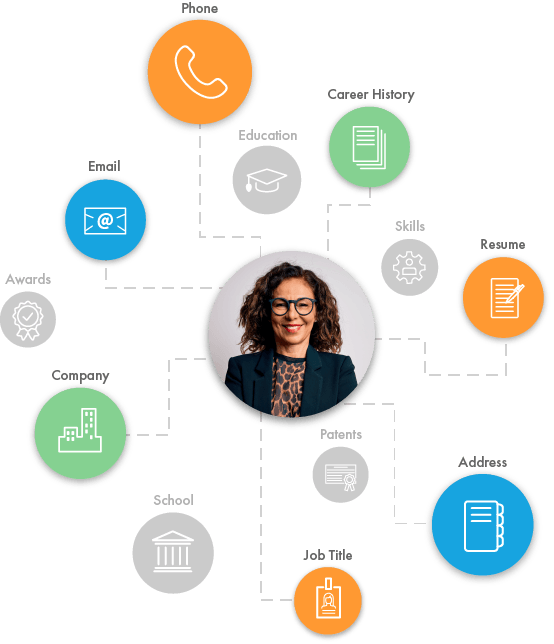
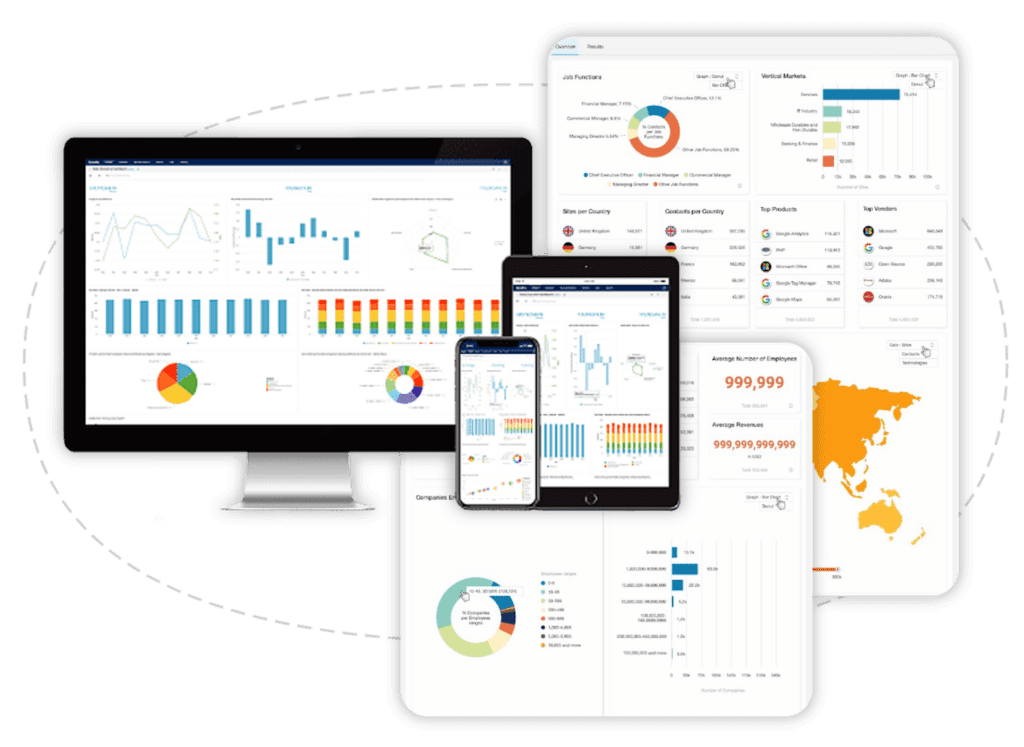
Workforce analytics needs best of breed B2B database. One leader in that industry is Rhetorik, a world class leading provider of B2B data. Rhetorik provides Neuron360-Profiles, a global professional profiles B2B data base with over 700+ millions professional profiles, helps organizations with candidate sourcing by extending their reach for candidate selection. Such B2B data base helps HR professionals and AI-driven product builders with candidate sourcing and management. They also help analyze candidate qualifications and fit with data-driven approaches. Neuron360-Profiles™ has over 80 data fields providing unrivaled data analytics capabilities to its users. It boasts the highest accuracy, quality, and integrity in the industry, responding to real-time queries and providing monthly updates of both current and historical employment data from a wide array of geographic regions and industries.

It also improves the candidates’ experience with the organization. Clear communication, timely feedback, and a smooth application process give the impression of organizational efficiency.

Moreover, Neuron360-Profiles™ is powered by Rhetorik’s unique AI models:

  • Rhetorik occupational model: AI-powered classification of job titles. The ROC includes job titles translated from 46 different languages across more than 164 countries supporting your efforts to harmonize job architecture.
  • Skills extraction model: AI-powered extraction of 32,000 soft and hard skills extracted and inferred from public professional profiles. Helps you to score and benchmark skills-based organizations and enables automatic discovery and evaluation of new emergent skills.
  • Skills and job titles normalization and standardization model: AI-powered model providing entity resolution of companies, employers, job roles, locations, profiles, and skills to unify your data sets. The model is fuelled by 235M raw job titles and normalized to 199M job titles, increasing efficiency by at least 20%. This standardization and normalization enable organizations to quickly query and benchmark across territories and train their models to be more predictive. Data normalization  is very important for workforce planning because it helps eliminate errors and inconsistencies that can arise from different sources using different formats or standards. This can improve the accuracy of the data and the insights it provides. It also provides easier analysis: Normalized data is easier to analyze and compare because it is consistent and standardized. This can help organizations more easily identify trends, patterns, and insights that can inform their workforce planning and analytics efforts. Finally, normalizing data can save time and effort by streamlining the data collection and analysis process. It can also make it easier to integrate data from different sources, allowing organizations to make more informed decisions with a broader range of data.
 

Tools and Software for Efficient Workforce Planning

With the rise of technology today, take advantage of the tools and software used for efficient workforce planning. As an example, organizations can use applicant tracking systems (ATS) and recruitment software to automate the stages of the hiring process.  Theese tools are useful for:

  • Optimize budget allocation and cost management with software solutions
  • Streamline HR processes through automation
  • Enhance talent acquisition and recruitment strategies

Optimizing HR Processes and Budget Allocation

Organizations must optimize their HR processes and budget allocation. Doing so enhances their efficiency and maximizes their impact on workforce-related expenses.

Advanced HR management systems and workforce planning software can streamline administrative tasks by automating processes and improving overall operational efficiency. Additionally, they also enable HR professionals to optimally allocate resources by aligning strategic workforce planning initiatives with critical organizational goals.

Through effectively utilizing HR processes, organizations can make informed decisions regarding budget distribution and much more. It ensures that resources are allocated in areas with the highest return on investment and contributes to long-term business success.

Streamlining Talent Acquisition and Recruitment  Through Automation

Applicant Tracking Systems (ATS) are software tools designed to streamline talent acquisition and automate various aspects of the recruitment process. Here are some ways in which ATS can help streamline talent acquisition and recruitment:

1) Resume Parsing: ATS can automatically extract relevant information from resumes and store it in a structured format. This eliminates the need for manual data entry and allows recruiters to quickly search and filter through a large volume of resumes based on specific criteria.

2) Job Posting and Distribution: ATS can post job openings to various job boards, career websites, and social media platforms with a single click. This saves time and ensures that job postings reach a wider audience, increasing the chances of attracting qualified candidates.

3) Candidate Screening: ATS can automatically screen candidates based on predefined criteria, such as skills, qualifications, and experience. Recruiters can set up specific screening questions or use AI-powered algorithms to rank candidates based on their fit for the job. This helps in shortlisting candidates efficiently.

4) Interview Scheduling: ATS often provides tools for interview scheduling, allowing recruiters to send automated interview invitations and manage interview calendars. Candidates can select their preferred time slots from a predefined list, eliminating the need for back-and-forth communication and saving time for both recruiters and candidates.

5) Collaboration and Communication: ATS platforms typically offer collaborative features that enable recruiters and hiring managers to share feedback, exchange candidate evaluations, and communicate within the system. This streamlines the decision-making process and keeps all relevant stakeholders informed and aligned.

6) Candidate Relationship Management (CRM): ATS can serve as a centralized database for managing candidate relationships. Recruiters can track candidate interactions, store notes, and set reminders for follow-ups. This helps in building a talent pipeline and nurturing relationships with potential candidates for future job openings.

7) Reporting and Analytics: ATS generates reports and provides analytics on various recruitment metrics, such as time-to-fill, source of hire, and candidate demographics. This data allows recruiters to evaluate the effectiveness of their recruitment strategies, make data-driven decisions, and optimize the hiring process.

By automating these tasks and centralizing recruitment activities, ATS can significantly streamline talent acquisition, improve efficiency, reduce administrative burden, and enhance the overall candidate experience.

Tracking Workforce Performance and Employee Development

Tracking workforce performance and promoting employee development optimizes productivity -fostering a culture of continuous improvement.

Performance management systems align organizational goals with workforce initiatives by providing a structured approach to monitor and evaluate employee progress. Key performance indicators (KPIs) allow organizations to measure and track employee performance against set benchmarks.

Learning management systems can also provide targeted training and development opportunities. In addition, regular employee feedback and engagement tools foster a supportive environment for growth and improvement.

Tracking workforce performance and investing in employee development enhances productivity, retains top talent, and achieves long-term success.

Want to know how our other tools can help you?

Get Quality

Conclusion

For an efficient workforce planning, organization need to take into account many components. They need to understand and manage critical components of workforce planning like developing a good talent and acquisition and retention strategy, develop a succession planning ensuring a smooth transition of talent and ensuring a mitigating risk strategy addressing workforce challenges. Moreover, organizations should base their decisions on accurate, up do data and reliable B2B professional profiles data like the one provided by Neuron360-Profiles™, powered by Rhetorik. Finally, organizations can take advantage of the tools and software used for efficient workforce planning like  applicant tracking systems (ATS) and recruitment software to automate the stages of the hiring process.

Learn How Rhetorik Workforce Planning Can Work for You

Why Use A California Business Broker?

Why Use A California Business Broker?

Service acquisition loans were hard to get in the economic downturn of a couple of years earlier. Presently, however, banks and the SBA are once again lending money for business acquisitions. Business brokers stay notified regarding the type and source of loans that are offered from different lending institutions and help purchasers in setting up financing.

The selling entity (whether sole proprietorship, collaboration, corporation or LLC) sells selected possessions to the acquiring entity. The selected possessions are usually all possessions of business, consisting of brand name, with the exception of money in the bank and the receivables which are usually maintained by the seller Variety Of Business Brokers Due To The Fact That there is no national registration or licensing of business brokers, there is not a precise count of the overall number of brokers.

California Business Brokerage Course

Signing a California Business Broker's Contract? Read This FirstSigning a California Business Broker’s Contract? Read This First

Tysdal

His practice consists of consulting services nationally on concerns of business valuation and transfer. He may be reached at (251) 990-5934 or by e-mail at Like this: Like Packing

If you are considering offering your present business or buying a brand-new one, the road ahead can typically be a long and strenuous one. This is where a Business Broker can action in and assist manage the procedure, and make it a smoother transition for the parties included, both in the past, throughout, and after the sale.

California Business Brokerage Course

They carry out an evaluation of business, look at up to date financials and other relevant information on business, and after that suggest an ‘appropriate selling variety’ to the seller. They can likewise advise of any deficiencies in information and how that may impact a sale. A purchaser will require this exact same sort of information throughout the sale procedure to make a buying decision.

Privacy: Offering an organization is not like offering a home where you desire everybody to learn about it. Instead, for the most part, it requires discretion so that the confidence of both the workers and the clients is not threatened; keeping business operating as normal. Marketing: An experienced Business Broker will know how to market your business so that purchasers that in the target audience segment can readily value its crucial values, instead of becoming captured up in non-essential information.

California Business Brokerage Course

Frequently, an easy miscommunication in between a buyer and seller can lead to a lost deal. An experienced Business Broker brings neutrality into the procedure, working out the sale in a cool and calm manner in your place. Closing the deal: A good Business Broker is highly experienced at sealing the deal and uses all of their competence to make sure that the deal is sealed to the advantage of both parties.

A trusted Business Broker can assist you through this procedure, leaving you to enjoy the outcomes of the sale and review your future. As a seller, a Business Broker not only discovers possible purchasers for your business. They act as a buffer in between you and the purchasers, and only introduce you to purchasers which are pre-qualified.

California Business Brokerage Course

They can likewise investigate for how long it may be before each possible buyer may want to actually buy or relocate to the location, how financially practical they are and if they can actually manage to buy your business, and what their background and experience is, and if they can actually own and run business.

A Business Broker assists you in browsing for opportunities that may match, and helps both parties throughout the settlements of the sale. In basic, a Business Broker makes the sales procedure much easier, less demanding, and much quicker for both the seller and the buyer. In fact, saving time and leaving the effort to another person is something that you can’t put a dollar value on; it truly is invaluable.

California Business Brokerage Course

Need to know more about how to offer? Contact our friendly team at Verified Businesses for your own information pack or to book an assessment today. At Verified Businesses, success in business is Confirmed.

If you are considering entering into business brokerage profession, the following information must greatly help you in making the ideal decision ( Contact Ty Tysdal ). If you have actually currently chosen to go into business brokeragewelcome! This material will provide you with the understanding, education, and information you require to start on the road to success.

California Business Brokerage Course

For those readers still in the decision-making phase, this program will assist you in two methods. Initially, it will provide you with the exact same understanding, education, and information as the person who has actually currently decided to end up being a business broker. Secondly, however more importantly, it will provide you the “rules of the road” so to speak.

We can’t make business what you desire it to be; we can only inform you what it is and let you take it from there. A typical expression today is “believe outside the box.” In other words, be creative in your thinking; however you can’t believe outside the box unless you know what is inside the box.

California – Business Brokers California

6 lighting hacks for healthier,more productive workplaces6 lighting hacks for healthier,more productive workplaces

#TITLE#

6 lighting hacks for healthier,more productive workplaces

#/TITLE#

It’s summer and there’s light all around us — we take it for granted till those dark winter months come together. The sheer lack of sun can be depressing. Every year we experience this longing for summer,craving those long,bright days once we feel energetic and in a fantastic mood. The sad news is,we’ve again passed the longest day of 2015,but the good news is that the right artificial lighting in your office can help you through. Good lighting creates pleasant working conditions in a practical and atmospheric way. Satisfaction and efficiency will improve if you make sure you have enough daylight intake and a well-lit office area. Additionally,your productivity will be positively affected by well-designed illumination. Artificial lighting that does not just help you see,but also meets your biological lighting needs,is the future of office lighting. Here are six lighting hacks to keep you healthy and awake through those dark winter days.

Best Office Lighting

1 Create atmospheres where your thoughts can develop

We’re all attracted to light,and there isn’t any other medium that’s as big an influence on our bodies and minds as mild. Both daylight and artificial light play a key role in our health and wellbeing. Increasingly,companies face the question of how they could improve staff wellbeing and create a lively,creative and motivating atmosphere. The design of the office area plays a vital role,as evidenced by a study from Germany’s Fraunhofer Institute for Industrial Engineering. The research shows that in businesses with a high standard of interior design,productivity can increase by up to 36 per cent. Who wouldn’t like to see their efficiency skyrocket? Additionally,in depth research from the Light Right Consortium,arrived at the conclusion that light raises productivity. Only around 70 per cent of the interviewees said that working at workstations with only downward lighting was comfy. In contrast,91 per cent saw a lighting atmosphere with direct/indirect lighting and a high quantity of vertical lit surfaces pleasing. Moreover,if the desk lighting is individually controllable,people feel motivated and operate with greater accuracy. TIP: Create a lighting atmosphere with direct and indirect lighting. Avoid having only downwards-directed illumination.

small desk lamp

Two Light for individuals,not just tasks

Lighting is often just regarded as a requirement to enable us to see,but in fact it has many more qualities than the obvious ones. We should move away from just thinking of lighting for jobs and focus on producing light settings for individuals. Today,most men and women work indoors,and spends nearly the entire day inside,in an unnaturally dark atmosphere. Our light intake is responsible for feeling and sleeping well,and affects our productivity. When there is a shortage of natural light to help us tell the time of day,then our circadian rhythm (body clock) loses its pace,with tiredness and listlessness because of this. It’s a lot more than just illumination. It arouses,attracts,enables communication,sets a mood,and has psychological qualities. If this knowledge transcends into our built environment,pleasant atmospheres are made. Think of a trip to a theater,a restaurant,or nightclub. These experiences are formed by light. Good lighting accentuates the mood and desirability of spaces,consequently leading to people’s sense of health. Every construction and distance expresses and communicates an identity,and sometimes also a corporate value. Superior lighting should be a part of this,because what other component can enhance a feeling as much as lighting can? TIP: Create a Combination of different lighting. Use illumination that supports a space’s individuality

3 From homo sapiens to homo officunus

In today’s world,we spend many hours working in biotopes — surroundings made by humans. Instead of trying to accommodate ourselves to our creations,we should adapt these biotopes to our needs. Sufficient light is one of those needs. So how can you make a setting that increases your satisfaction and productivity? Here are a few tips: Take the biological quality of lighting into account. It affects our sleep-wake cycle and this has a big influence on the health and productivity. Adapt the lighting to the daytime and year,as well as to the individual needs of the user. Vertical surface illumination,preferably on large wall surfaces,is vital to create a sense of depth and space. Additionally,it gives a visual resting point for the eyes and provides a pleasant atmosphere to the working environment. Too often,office surroundings are insufficiently lit,not only from the perspective of biological lighting demands but also from an architectural one,where the space feels smaller because of insufficient lighting. The chart below shows how office workers analyzed their working environments — revealing which aspects are important to them and how satisfied they are with every facet. As you can see,lighting is rated the most important of all the aspects mentioned,but there’s plenty of space for it to improve.

4 Get the best spot in the house

Are you based in a co-working space? And is there a flexible desk coverage? Choosing the right spot in the home can go a long way. Pick a place with a great deal of daylight. It’s recommended that around three per cent daylight reaches a individual’s working area. However,in the majority of offices this isn’t the case. Daylight gives an emotional quality to some space and the option to look out is an additional bonus. If you can,choose a spot near the window. But make sure thatthere is sun shading to prevent harsh reflections on your computer screen. About 80 per cent of information is taken in through our eyes. Until recently it was believed that our eyes used two kinds of photoreceptors — rods and cones — to receive light,but a decade ago,a third type,called ganglion cells,was detected. Unlike rods and cones,these cells don’t contribute directly to our sight; they are nevertheless light dependent and help to regulate our circadian rhythm. So light isn’t just a requirement for viewing,but is also an important zeitgeber (timer) and a regulator for our bodies. Unfortunately,we often don’t get the light consumption we actually need,especially during the darker period of the year,resulting in the winter blues or seasonal affective disorder (SAD) — a kind of depression associated with a lack of light. It leaves people feeling stressed and lacking energy. Many people who suffer from SAD benefit from bright light treatment. In a workplace setting,light treatment makes people feel more alert and energized. It’s found that an illumination which goes up to 2000 lux at the working area in the morning and the afternoon,reduces the physiological reaction of stress and gives an energising effect to the body. If you want to check the amount of lux at your desk,then download a lux meter program. It’s not very exact,but it gives you an idea on how small light we actually have indoors. Not only is a greater quantity of lighting required,but also the color temperature of the lighting plays a role. At noon the sky’s colour is a very trendy 10000K but at sunset it is a much warmer 2000K. Additionally lighting should reflect indirectly into the eyes from large surfaces,like walls and ceilings. TIP: Attempt to grab enough daylight at any time of the year. You should have at least half an hour of daylight a day

modern lighting

6 Light,java,action!

A deadline and stilla great deal of work ahead,no time to sleep! As lighting can disrupt your sleeping routine,it may also boost your own activity. If you’ve followed the above-mentioned advice for biologically effective illumination than you are already on the right path. If you will need to pull an all-nighter,increase the light intensity and the amount of bluish white light in the room. Almost done with your job? You may also have experienced that when you work late on a computer or tablet it is difficult to sleep afterwards. The cause of this is the high blue content of the backlit screens. So use this lighting hack consciously. There are a number of applications you can install that correlate the screen’s brightness and color,to the daylight of where you are. F.lux,by way of instance,works on many systems,or the Twilight program lowers the amount of blue lighting on your Android phone. TIP: Have different lamp types and color temperatures at your working area. Warm light sources at your desk could be combined with general and indirect lighting with different color temperatures,such as 3500K and 5000K.