Choosing the right contractor for your HVAC system can be a daunting task. There are many things to consider when choosing one including experience, cost, and licensing. This blog post will give you some tips on how to find the perfect contractor for your home so that you’re not wasting time or money in the process. - It’s always a major concern when your heating or air conditioning system fails. Your HVAC system is an integral part of your home and one that you should not neglect. It matters less what the weather outside dictates, but rather how well-maintained it can be inside so as to provide a safe environment for all occupants. The temperature in our homes can be a big factor in how we feel. The elderly, and people with chronic health problems often cannot tolerate extreme temperatures either! Most of the time these groups need to have their home’s thermostat stabilized for them so they don’t end up feeling too hot or cold when it is not needed. HVAC systems are very expensive to replace, so it makes sense that you want to prolong their life and avoid equipment failure. One way of doing this is by hiring a qualified professional for service and maintenance on your system around every six months or once per year as part of routine services Prolonging the lifespan can also help reduce costs in other areas – like utility bills. You could even hire a qualified professional from a company that offers annual contracts, they usually provide more affordable pricing when servicing your unit! Your home being without heating or cooling when you need it most is already bad enough. But what’s worse is a Bad HVAC contractor. They can leave you with an expensive bill. The best contractors are both dependable and affordable so you don’t have to worry about paying more than you have to when it comes time to service your system or replace parts of it. And you get the peace of mind that you know they did a great job too. - It’s never been easier to find a trusted professional with the help of friends and family. Ask them for referrals from companies they know. You’ll get information from the people who have seen their work firsthand, who are happy customers themselves and that can vouch for them personally. Speaking of social circles, social media is another great spot to look. Check and make sure that the company you are thinking about using has a presence online. Take a look at the big ones of course. Google, Facebook, and Yelp. They should at least have their contact information up there. Be wary of short, pithy reviews or really old reviews. Read the worst-ranked reviews and see how the company responds to that review. Did they at least try to make it right? Were they combative? Was the customer or reviewer out of line? Was it something that continues to happen? Taking the time to read reviews can help you big time in finding the right contractor. If anything, it may just help you avoid the bad ones. A reputable HVAC company will be a licensed professional and carry comprehensive insurance coverage. So not only will their quality workmanship ensure that things stay running smoothly after installation, but if something does happen to go wrong (i.e., someone on site gets injured or there’s damage to your home), they’ve got you covered. The best HVAC contractors will often be members of professional and trade organizations. These membership requirements are not automatic, as applicants need to have certain certifications, meet the standards for professionals in their field (and exceed them), and fulfill other criteria before they can join these associations that certify pros. There are a number of steps you can take to protect yourself against unscrupulous contractors, but it all starts with verifying that they have the necessary permits in place before work begins. When hiring an HVAC company for installation or repair services make sure they’ve filed permit requests on your behalf at the local permitting office and not just assumed one was done – if this weren’t verified there could be fines involved later. When you’re making a decision on which heating and air conditioning company to use, don’t just take their word for it. Get the estimate in writing so that both parties are protected from any unforeseen circumstances. Finding the perfect HVAC contractor can be a daunting task but don’t despair. Follow these steps and you’ll quickly find your desired company to make sure that your home is warm all winter long or nice and cold during the summer months. If you have any questions about this blog post or would like more information on HVAC systems in general, please - to reach out! We’re always happy to help fellow homeowners with their heating and cooling needs!
How to hire the right HVAC contractors for your home
Related Post
Preventing Back PainPreventing Back Pain
An achy back can significantly affect a large part of your life, especially if you lead an active lifestyle. Undoubtedly, this is one of the most annoying problems, no matter if you take software development insurance application such as Male UltraCore. It is useful to protect yourself from back pain, most of which is related to a specific movement or body position. This article will help you learn how to avoid and combat back pain, so without further ado, let’s begin! A Straight Spine is a Healthy Spine Back pain can be avoided or alleviated, at least in part, by maintaining a good body position during weight training. Why? Back injuries are typically caused by a poor body position under significant tension. Lifting heavy things, or being in a bad position for a long time, can steadily damage your spine’s vertebrae. Consider the following as another example. You are going to bring in five big water bottles from the grocery. Instead of curving your back to lift the bottles, use a neutral spine to hoist them up. How? Okay, bend over with your back straight and lower your hips instead of arching your back. Use the whole body to lift the tubs to avoid unfavorable spinal positioning. Consider it a squat! Tips For Preventing Back Pain Back pain can be unbearable, but there are ways to prevent and cope with it if it already exists. See our advice below! Don’t hesitate. Walking has been shown to relieve low back pain. It’s a simple, no-cost method for adding in and can be done nearly any time, along with other chores. Don’t take the bus. Walk to the store. Or take your dog or a nice long walk. Walking works your muscles to keep you upright and improves your spinal stability. Walking is a great way to get relief from back pain! Stretch Restricting movement can worsen pain! Do some simple stretches to relieve back pain and improve movement. Keep in mind to move slowly and avoid pushing your body; use a flat, firm surface to stretch. Swimming can be a great exercise to help relieve back pain because it places no stress on your spine and back. These are so-called “low-impact” cardio activities, which are enjoyable and relatively stress-free. Be sure to swim correctly though, as certain movements can strain the back and neck and actually make it worse! Always keep in mind, it’s not just your back. In many cases, back pain is due to weakness elsewhere in your body! Your back does a number of other muscles work to maintain your posture. the “core” is made up of, but not only, the muscles described
- abdominal muscles
- spinal muscles
- Obliques
- the pelvic floor muscles
- Diaphragm
Consequently, developing your core muscles is critical for back health! Our top 5 core strengthening exercises:
- Leg extensions
- Vacuum Pots
- back hyperextensions
- knee to knee pull-ups
- thrusts
Strengthening your core all around, including these five exercises, will relieve back tension and prevent injury. Conclusion Most back pain is caused by poor posture while performing daily and training activities. If you can exercise effectively and maintain good posture, but still have back pain, see your doctor/physical therapist. Remember that back pain cannot be taken lightly. A single misstep can result in unremitting, severe pain. Your back pain is a good enough reason to consult with a medical professional.
Certification and Job Outlook for LocksmithsCertification and Job Outlook for Locksmiths
Certification and Job Outlook for Locksmiths
Locksmithing is a profession that involves the science and art of locks and locking mechanisms. In many countries, locksmiths must have completed an apprenticeship before they can practice their trade. To practice their trade, they must also be certified. Read on to learn more about the typical tasks performed by a locksmith. Continue reading to find out about locksmith certification requirements as well as the outlook for the future.
Price of locksmith’s services
Cost of locksmith services will vary depending on what type of lock you have, and how complex it is. A simple lock replacement costs about $60, but you can spend an additional $100 on a more expensive lock. For an additional fee, a locksmith can add security features such as deadbolts. To install a deadbolt, you will need to drill a hole through your door.
Most locksmiths charge a minimum of $75 for standard residential and commercial service calls. For services like replacing deadbolts, installing new locks, and making keys, you might need to pay extra fees. Some locksmiths will charge extra $10 for calls that are outside their normal service area.
Consider the time it takes to complete the job. It is a smart idea to call ahead and make a reservation if you are in urgent need of their services. The distance the locksmith will need to travel may vary depending on where you live. Make sure to budget for this trip.
Job outlook for locksmiths
The global economy is growing, and so does the demand for locksmiths. Locksmiths are needed in a variety of industries, including colleges and universities, security services, elementary and secondary schools, commercial wholesalers, traveler accommodations, and local, state, and federal government agencies. According to the Bureau of Labor Statistics in 2012, locksmith employment grew by 18% between 2012 and 2016. Additionally, locksmiths can find work in rapidly growing markets like India and South Africa.
The outlook for locksmiths was generally positive in 2008. The job responsibilities for locksmiths have been expanded by technological advances. Locksmiths can now operate electronic security equipment as well as fix physical locks. If they have the right training, they can become managers or supervisors in a large locksmith business.
Apart from installing and fixing locks, locksmiths offer advice to clients on the best security measures. To answer customer questions and resolve their problems, locksmiths are always available. Many locksmiths are also called upon to install new security mechanisms, such as closed circuit television systems, to ensure that homes and businesses are secure.
Certification requirements for locksmiths
For locksmiths to be licensed in their state, they must be certified. There are many types and requirements for locksmith licenses. New York City requires all locksmiths to have a license. A license can help you get better jobs and advance your career. Regardless of where you live, a locksmith license will open up many opportunities for you.
In order to become a Certified Registered Locksmith (CRL), a locksmith must pass a comprehensive examination that tests their knowledge of ten mandatory categories. Additionally, they must demonstrate proficiency in two elective categories. The certification exam must be passed with a minimum of 90 percent. Before becoming certified, a locksmith must also pass a criminal background screening.
The ALOA offers several locksmith certificates. The ALOA Fundamental Locksmith is one of the most popular designations. This certifies that the student has completed a six day training course and passed the final exam. Most aspiring locksmiths pursue this certification before starting an apprenticeship. It shows prospective locksmiths that they have the basic skills to work in the field and serves as a foundation for higher certifications.
Discover the Secret to Roof Color Longevity: Expert InsightsDiscover the Secret to Roof Color Longevity: Expert Insights
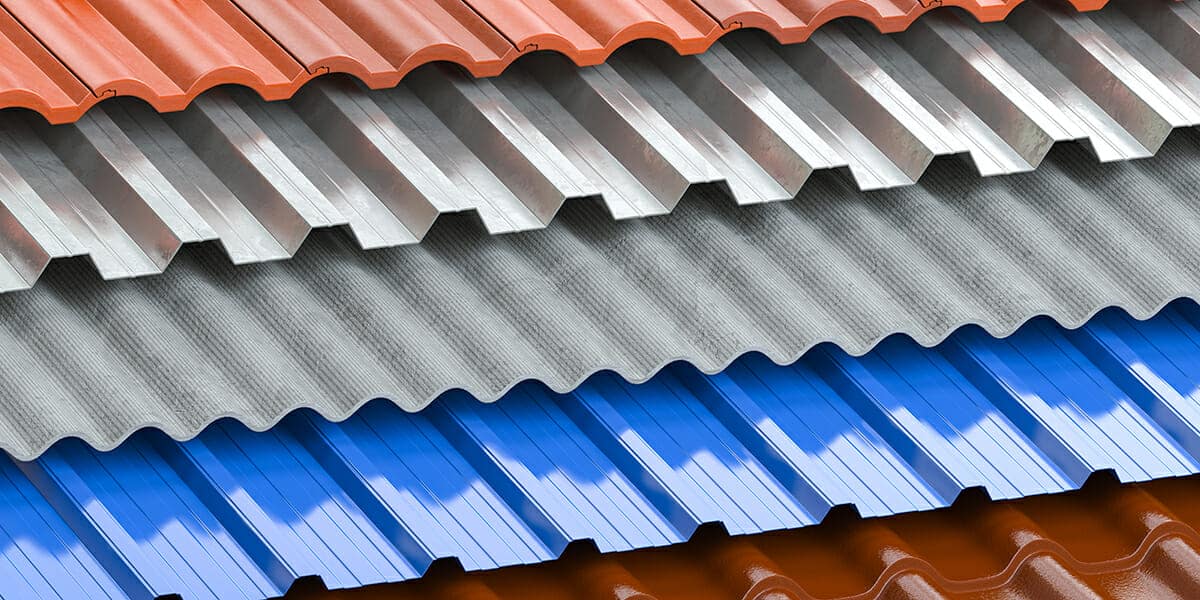
The Hidden Impact of Roof Colors on Your Home’s Lifespan
Choosing the right roof color is more than a cosmetic decision; it’s crucial for the longevity and efficiency of your home. Let’s delve into how different colors can transform your roof’s performance and boost its lifespan. For more details on selecting the perfect roof color, Enhance your knowledge .
Boosting Energy Efficiency with Reflective Colors
- Lighter Roofs for Hot Climates: Lighter shades, such as whites and specific grays, reflect UV rays. This reflective property reduces heat absorption, keeping your home cooler and lowering cooling costs. Roof color longevity benefits from reduced thermal stress.
- Darker Roofs for Cooler Climates: Dark colors like blacks and browns absorb heat. This retention is beneficial in colder regions, potentially reducing heating costs and contributing to roof color longevity by preventing freeze-thaw damage.
Popular Roof Colors: Enhancing Functionality and Aesthetics
Different roof colors offer unique benefits:
- light Browns and Beiges: Ideal for warmer climates due to their reflective properties.
- Dark Browns and Blacks: Excellent for colder areas, as they retain heat.
- Blues and Greens: These trendy shades are gaining popularity for their unique aesthetic appeal while still offering energy efficiency.
Timeless Elegance: Choosing Roof Colors That Last
Roof color longevity is not just about functionality but also about timeless appeal. Here’s how to ensure your roof remains stylish and durable:
To understand how roof color impacts energy efficiency, Boost your home .
2024 Roof Color Trends: What’s Hot
Stay ahead of the curve with these trending colors:
- Warm Earthy Browns: From sand to autumn hues, these colors offer a natural look that blends with various landscapes.
- Sophisticated Off-Whites: Shades like beige and stone provide a classic, elegant appearance.
- Vibrant Blues and Greens: These colors, such as denim and forest green, add a bold touch to modern homes.
Increasing Resale Value with Strategic Color Choices
The color of your roof can significantly impact your home’s resale value:
- Aesthetic Appeal: Choose colors that enhance your home’s architectural style. Roof color longevity plays a role in maintaining this appeal over time.
- Functionality: Opt for colors that provide practical benefits, such as energy efficiency and durability.
Practical Tips for Maximizing Roof Color Longevity
Climate Considerations: Match Your Roof to Your Environment
Consider these factors to ensure your roof color supports longevity:
- Hot Climates: Light colors like white or beige are best for reflecting sunlight and keeping your home cool.
- Cold Climates: Dark colors such as black or brown help retain heat and reduce heating costs.
If you’re considering a roof upgrade, Improve efficiency .
Harmonizing with Architectural Style
Your home’s style should influence your roof color choice:
- Mediterranean Homes: Red roofs complement the warm, earthy tones.
- Colonial Designs: Grays and blacks suit these classic structures.
For expert insights into boosting your home’s curb appeal, Maximize longevity.
FAQs: Answering Your Roof Color Longevity Questions
Q: What roof colors are best for extending the lifespan of my home?
A: Light colors like beige or white reflect sunlight and minimize heat absorption, reducing cooling costs. Dark colors like black can retain warmth during cooler periods, enhancing roof color longevity.
Q: How does roof color impact energy efficiency and reflectivity?
A: Lighter colors reflect sunlight, minimizing heat absorption and reducing the need for air conditioning. Darker colors absorb heat and can retain warmth, lowering heating costs and contributing to roof color longevity.
Q: What are the popular roof colors that offer long-term benefits?
A: Colors such as light and dark browns, blues, greens, and off-whites are popular. These shades not only enhance aesthetics but also improve energy efficiency and roof color longevity.
Q: What are timeless aesthetics when choosing my roof color?
A: Timeless shades like beige, taupe, black, and gray remain appealing over time and suit various architectural styles, ensuring roof color longevity.
Q: What are the roof color trends for 2024?
A: Trending colors include warm earthy browns, off-whites, and vibrant blues and greens. These choices reflect a blend of traditional and modern preferences, promoting roof color longevity.
Q: How can I choose the best roof colors for resale value?
A: Harmonize your roof color with your home’s siding and architectural style. Favorites like beige, tan, black, and gray safeguard against outdated looks, ensuring roof color longevity.
Q: How can I balance aesthetics and functionality when choosing roof colors?
A: Consider your home’s style, regional Climate, and potential resale value. Select a color that offers both visual appeal and practical benefits, enhancing roof color longevity.
Q: What are ideal color combinations for my siding and roof?
A: Classic contrasts like beige or white siding with a dark roof are effective. Red roofs complement Mediterranean homes, while grays and blacks suit Colonial designs, ensuring roof color longevity.
Q: Why is roof color longevity important for my home?
A: Roof color longevity ensures your home remains aesthetically pleasing, energy-efficient, and durable, reducing maintenance costs and increasing market value.
In conclusion, choosing the right roof color involves balancing aesthetics, energy efficiency, and climate considerations. Timeless shades and trendy hues both play a role in enhancing roof color longevity, making your home stylish and sustainable for years to come.