Bc Home Quest Uncategorized The Advantages and Disadvantages of Hiring an Event Company

The Advantages and Disadvantages of Hiring an Event Company

The Advantages and Disadvantages of Hiring an Event Company

event company

Hiring an event company can be a good idea if you are having a big event. Here are the advantages and disadvantages of hiring a company for this kind of job. This article will also discuss the costs and the challenges associated with hiring a company for such a task. You will also learn the job description of an event manager and what to expect when hiring a company to handle this kind of event.

Job description of an event manager

Event managers oversee the planning and execution of large events. They coordinate venues, vendors, and speakers. They must have strong interpersonal skills, be able to delegate tasks, and be meticulous under pressure. They also oversee the day-of production and clean-up of events. The job description of an event manager at an event company is comprehensive and may include several tasks, depending on the company’s size and scope.

In addition to overseeing the planning and execution of large-scale events, an event manager oversees special promotional activities. They also supervise staff members, approves all arrangements, and coordinates with contractors and caterers. They also must be able to meet deadlines and provide excellent communication to event attendees, staff members, and volunteers. A good event manager must be passionate about special event management and be able to build strong relationships. They must have a background in event planning and production and a strong understanding of marketing techniques and KPIs.

Event project managers plan and execute events, leading team members from conception to completion. They define milestones, manage vendors, and coordinate internal and external contractors. Their job is to balance creativity with business operations, financial planning, and vendor management. This requires an exceptional multi-tasking attitude and the ability to juggle many tasks at once.

Costs of hiring an event management company

Hiring an event management company can cost a lot of money. This is because event managers typically pass on some of their costs to the clients. In some cases, the cost is a percentage of the overall budget, while in other cases, the event manager will charge a flat fee. This will vary depending on the size and scope of the event.

The costs of hiring an event management company can range from a few hundred dollars to several thousand dollars. However, it’s important to know how much money you can spend before signing a contract. You should also ask about how to pay the company and what the various payment plans are. The majority of event planners charge between 10 and 20 percent of the total cost of the event.

First, it is important to establish a budget. This budget must be based on the goal of the event, the size of the company, and the scope of the event. This will help you allocate the dollar amount accordingly. Make sure that you keep track of the expenses, which will allow you to monitor them and make adjustments accordingly.

Benefits of hiring an event management company

Hiring an event management company is beneficial for a number of reasons. Aside from the experience and skill that they bring to the table, they can also help you save time and money. Their black book of preferred suppliers means that they can take advantage of discounted prices and offers. In addition to that, they can help you negotiate payment terms.

One of the biggest benefits of hiring an event management company is that you won’t have to spend hours coordinating last-minute details. The event manager will be in charge of all these details, ensuring that everything is in order before and after the event. This allows you to focus on your own strengths while they manage the event.

Moreover, an event management company can handle every aspect of an event, from venue setup to equipment rental. These professionals are also skilled in handling contracts and permission. This way, they will reduce your budget and ensure smooth organization of your event.

Challenges of hiring an event management company

When hiring an event management company, you have two basic options: you can hire a company that offers a full-service event management package or you can focus on a specific type of event. A full-service event management package includes many aspects of event planning, from invitations to food and beverage. Trying to do it all yourself can be overwhelming and lead to poorly planned events and last-minute bookings. Fortunately, there are event management companies that can handle every detail of a party.

The event management business is very competitive. You must be upfront about your budget and what you expect. It is important to understand how an event planning company will make money from your event. If you want to be a successful event planner, you must be able to provide a host of services. This includes finding a venue that offers all of the facilities needed to hold an event. In addition, you must know the technology needed to keep the event running smoothly.

One of the most common mistakes made by event planners is to plan on a shoestring budget, which can lead to overspending. While the team will do their best to stay within the budget, they may overlook important details or make costly last-minute arrangements or rentals. The event manager should know the specifics of the event to avoid making costly mistakes.

Related Post

Types Of Florida Tax ReliefTypes Of Florida Tax Relief

There are several subjects that are covered under the rubric of “tax relief” in Florida including,Prepaid Taxes,Income Tax,Real Estate Taxes,Sales and Use Tax,Debt Tax,Earned Income Tax Credit and many more. While each and every subject is dealt under a different heading,it becomes fairly difficult to know which of them is the right choice for one’s requirements. As far as Florida is concerned,one has to be clear about his requirements before he can start using any of the services. For this you need to seek the help of experienced and qualified Certified Public Accountants or CPAs who are authorized by the state of Florida to settle tax debt relief claims.tax relief

The most popular forms of Florida tax relief available are,ssi tax deed,responses,and the corporate income tax. A deed is nothing but an agreement between a person and some company with respect to the sale or transfer of some property. If you hold some property in the name of your business and are unable to sell it due to reasons like non-residence,death or some other reason,then the option of holding his tax deeds will come into use for you.

Orlando tax relief firm

Among the several types of Florida tax relief that a CPA can provide you with care,mortgage interest,refundable taxes,credits,lottery winnings,and so on. A mortgage interest is a form of loan where the lender pays the interest on the principal amount for a specified period of time at a prescribed rate. Refundable taxes are paid by individuals or corporations against state taxes or federal taxes. A credit or debit is something is not necessarily paid as a lump sum but is reduced by some percentage. So if a teacher wants to pay for his daughter’s higher education in return for a tax abatement,then he can opt for a tax credit reduction.

Workforce Planning: Strategies and Insights for Effective Talent ManagementWorkforce Planning: Strategies and Insights for Effective Talent Management

Competition for talent is fierce and companies are discovering the need to adapt to worldwide changes through effective talent management. Read on to learn about the relevance of workforce planning today and cutting-edge B2B data and tools for efficient and data-driven workforce planning.

The Importance of Workforce Planning in Today’s Business Landscape

According to the World Economic Forum, more than 1 billion people by 2030 will need reskilling to keep up with technology’s rapid transformation. Furthermore, 29% of recruiters also believe the skills gap has increased. This number is evident in companies focusing on skills-based hiring over the requirements of having a Bachelor’s degree.

The working population aged 50 and above has increased by 37% in 2020, causing more multigenerational workplaces. In light of this, workforce planning is more vital now than ever. It anticipates coming trends and changes that will inevitably affect the organization. It plans ahead of the business landscape and market changes through hiring strategies, talent acquisition, and more.

To do an efficient workforce planning, organizations will have to address few areas like:

  1. Understand the critical components of a strategic workforce plan
  2. Leveraging data and analytics and choose the right provider
  3. The tools and software required to implement the strategy
 

Critical Components of a Strategic Workforce Plan

Some critical components of a strategic workforce plan are:

  1. A talent and acquisition and retention strategy
  2. A succession planning ensuring a smooth transition of talents
  3. A mitigating risk strategy addressing workforce challenges

Talent and retention strategy

A strategic workforce plan aligns an organization’s workforce with its strategic goals and objectives. To do so, it must develop a talent acquisition and retention strategy. Critical components of that strategy can include:

  • Workforce Analysis
    This key involves assessing the current workforce. The process takes inventory of the skills, competencies, demographics, and performance. It helps identify strengths and weaknesses within the workforce. The accumulated data provides insights into the organization’s current capabilities.
  • Data and Analytics
    Effective strategic workforce planning relies on accurate and up-to-date data. Therefore, organizations should establish systems for collecting, analyzing, and utilizing workforce data. By doing so, organizations can use said data for decision-making, tracking progress, and making necessary adjustments.
  • Future Workforce Needs
    The workforce plan should anticipate future requirements based on the organization’s strategic goals. This process involves using the data collected in the first step to identify the skills, knowledge, and competencies needed to support the organization’s future objectives.
  • Gap Analysis
    A gap analysis can identify discrepancies or shortages in skills or talent by comparing the current workforce with future needs. This analysis helps prioritize areas that require attention. It guides strategy development to address those gaps.
  • Recruitment and Talent Acquisition
    A strategic plan includes strategies for attracting, recruiting, and selecting qualified candidates. It involves developing targeted recruitment campaigns or exploring diverse talent pools. The HR development may also leverage technology to reach the talent pool. They may also partner with educational institutions.
  • Training and Development
    Investing in training and development programs is crucial for building a skilled and adaptable workforce. It also encourages talent retention. Therefore, a strategic plan should outline initiatives for enhancing the critical skills of existing employees. This stage involves providing relevant workforce development and training programs -including mentoring and coaching.
  • Succession Planning
    Succession planning involves identifying critical positions within the organization. Then it transitions to strategy development to ensure a smooth transition when those positions become vacant. It may include leadership development programs, talent pipelines, and knowledge transfer mechanisms.
  • Retention and Engagement
    Retaining top talent is essential for organizational success. A workforce plan should include strategies to enhance employee engagement. The program must promote a positive work culture and manage conflicts appropriately. This step can involve interactive employee diversity, equity, and inclusion training. Retention and engagement must also tackle competitive compensation and benefits to create career growth and advancement opportunities.
  • Monitoring and Evaluation
    A strategic workforce plan should include mechanisms for monitoring implemented strategies. Emerging trends and other external factors can affect the workforce and its data. Regular assessments and feedback loops allow for adjustments and improvements to the plan.

Succession planning, ensuring a smooth transition of talent

Succession planning is also critical to a strategic workforce plan. It identifies and develops future organizational leaders to ensure a smooth talent transition. It also involves identifying key positions, assessing high-potential employees, and implementing strategies to groom and prepare potential successors in their career development. It can include mentorship programs to ensure proper knowledge transfer.

Developing future leaders and high-potential employees is a valuable investment for the organization. Here is the process included in succession planning to find them and ensure their development and succession would go smoothly for the organization.

  • Board and Executive Involvement
    Engage the board of directors and executive leadership in succession planning. Their involvement provides oversight, guidance, and support for succession initiatives. Ensure that succession planning aligns with the organization’s strategic direction. By involving the board and executive people, your succession planning can receive the necessary resources and commitment.
  • Identify Key Positions
    Begin by identifying critical roles in the organization that are essential for its long-term success. These positions significantly impact the organization’s strategic objectives, operational efficiency, and overall performance.
  • Talent Assessment
    Evaluate the current talent pool. Identify individuals who have the potential to assume critical roles in the future. This assessment can include performance evaluations, skills assessments, leadership potential assessments, and feedback from managers and peers.
  • Development Planning
    Once potential successors are identified, create individual development plans to address skill or knowledge gaps. Job rotations and stretch assignments will give them a background in different branches they will have to manage in the future. Mentoring and leadership development programs and other growth opportunities also help prepare these individuals for future leadership roles.
  • Performance Management
    Align performance management processes with succession planning objectives. Provide ongoing feedback and coaching initiatives to potential successors. Keep them updated with their progress by setting clear performance expectations and establishing career development paths that lead to key leadership positions.
  • Succession Plan Documentation
    Document the succession plan to ensure clarity and transparency. This step includes detailing the identified successors, their development plans, timelines for transitions, and contingencies for unforeseen circumstances. Keep the plan updated as talent and organizational needs evolve.
  • Continuous Monitoring and Review
    Regularly review and evaluate the progress of the succession plan. Monitor the leadership growth, reassess talent needs and gaps, and make adjustments as necessary. This process ensures the plan remains relevant and effective in addressing evolving business requirements.

Mitigating Risk Strategies Addressing Workforce Challenges

Mitigating risk should also be part of a strategic workfroce planning. Some organizations use external talent consideration to find successors. Bringing in fresh perspectives and talent can be beneficial to organizations. Therefore, organizations must mitigate the risks of their talent pool leaving the company.

There are also other workforce risks and challenges that organizations may face. To mitigate these risks, organizations can implement the following strategies:

  • Data collection and management systems prevent the risk of data accuracy
    Accurate data is vital for workforce planning. If your data is inaccurate or insufficient, it causes faulty data-driven decisions and ineffective planning. Tools like DataCliniq can help you clean, extend and update your existing data to be relevant and reliable.
  • Scenario planning for a rapidly changing business environment
    Accurate forecasting of future workforce needs is difficult, significantly when the business environment is constantly changing. In addition, technological disruptions can cause skill gaps and shifts in consumer behavior. These economic possibilities can impact your workforce planning.
    Therefore, the answer to these economic uncertainties is scenario planning. You can make more efficient workforce plans by anticipating various possible scenarios.
  • Agile workforce planning mitigates shifting demographics
    Demographic shifts are one of the workforce challenges organizations may face. It can be an aging workforce, the rise of younger employers, and increased diversity. These shifts can challenge workforce plans because they affect employees’ needs, preferences, and expectations.
    The organization can make quick and agile adjustments by having a flexible approach to workforce planning. In addition, the organization can adapt to internal and external changes by regularly reviewing and updating plans.
  • Building a diverse talent pool resolves talent shortages
    Talent shortages make it difficult for organizations to fill critical roles. It causes increased competition for talent, higher recruitment costs, and difficulty attracting and retaining top talent.
    The organization must develop strategies to attract candidates from different backgrounds and demographics as risk mitigation. But first, the organization must cultivate a positive and safe work environment through diversity and inclusion to attract and retain them.
  • Changing management can resolve resistance to change
    Workforce planning involves changing the organization’s structure, processes, and culture. However, employees, managers, or even stakeholders can be obstacles by slowing down or derailing workforce planning initiatives.
    Strategies to change management can remedy the resistance to change. Engaging with employees and stakeholders early in the process provides better communication and support to help individuals adapt to their new roles and processes.
  • Financial planning for budget constraints
    Workforce planning is an investment in employee recruitment, training, and development. Unfortunately, budget constraints can limit the organization’s ability to take on these initiatives.
    Financial planning must be included in workforce planning. By demonstrating the potential return on investment and value of strategic workforce planning, the organization’s leaders can be persuaded to invest.
  • Compliance with laws and regulations
    If workforce planning doesn’t comply with legal and regulatory requirements, it can result in fines, lawsuits, and reputational damage.
    Therefore, the organization must stay updated on labor laws, regulations, and compliance requirements associated with workforce planning. In addition, consult with legal experts to ensure workforce planning practices align with the organization’s legal obligations.
  • Engagement with executives and senior leaders helps maintain leadership support.
    With the support and commitment from senior leadership, workforce planning efforts may receive the proper resources, attention, and trust from stakeholders.
    It is essential to secure strong leadership support to have a budget and culture prioritizing strategic talent management.
 

Leveraging Data and Analytics for Successful Workforce Planning

Rhetorik Skills-Based Intent graphic.

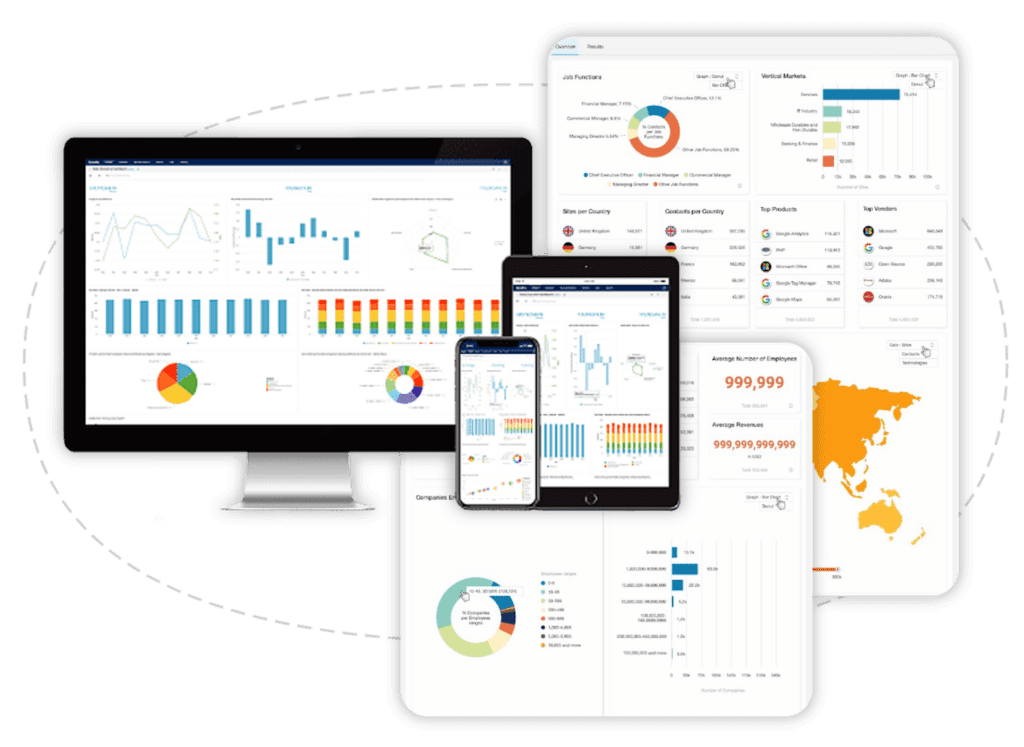
Just like how we use evidence-based research to make decisions, we need to utilize data and analytics for effective workforce planning. Data and analytics can help identify skill gaps and workforce needs. The data can also show us workforce patterns and forecast trends. Predictive modeling and forecasting techniques can further benefit workforce planning by drawing out the trends inside the organization (such as performance levels and churn rate) and planning for them. By using data-driven decision-making, we can create and achieve strategic workforce goals.

Give insights with workforce analytics and data visualization

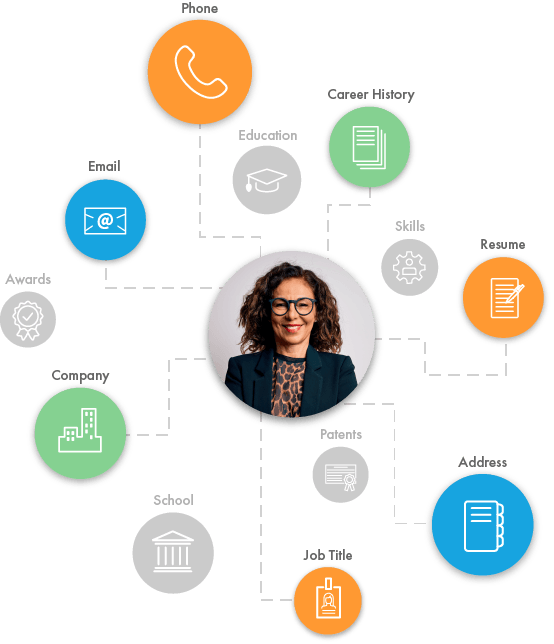
Workforce analytics needs best of breed B2B database. One leader in that industry is Rhetorik, a world class leading provider of B2B data. Rhetorik provides Neuron360-Profiles, a global professional profiles B2B data base with over 700+ millions professional profiles, helps organizations with candidate sourcing by extending their reach for candidate selection. Such B2B data base helps HR professionals and AI-driven product builders with candidate sourcing and management. They also help analyze candidate qualifications and fit with data-driven approaches. Neuron360-Profiles™ has over 80 data fields providing unrivaled data analytics capabilities to its users. It boasts the highest accuracy, quality, and integrity in the industry, responding to real-time queries and providing monthly updates of both current and historical employment data from a wide array of geographic regions and industries.

It also improves the candidates’ experience with the organization. Clear communication, timely feedback, and a smooth application process give the impression of organizational efficiency.

Moreover, Neuron360-Profiles™ is powered by Rhetorik’s unique AI models:

  • Rhetorik occupational model: AI-powered classification of job titles. The ROC includes job titles translated from 46 different languages across more than 164 countries supporting your efforts to harmonize job architecture.
  • Skills extraction model: AI-powered extraction of 32,000 soft and hard skills extracted and inferred from public professional profiles. Helps you to score and benchmark skills-based organizations and enables automatic discovery and evaluation of new emergent skills.
  • Skills and job titles normalization and standardization model: AI-powered model providing entity resolution of companies, employers, job roles, locations, profiles, and skills to unify your data sets. The model is fuelled by 235M raw job titles and normalized to 199M job titles, increasing efficiency by at least 20%. This standardization and normalization enable organizations to quickly query and benchmark across territories and train their models to be more predictive. Data normalization  is very important for workforce planning because it helps eliminate errors and inconsistencies that can arise from different sources using different formats or standards. This can improve the accuracy of the data and the insights it provides. It also provides easier analysis: Normalized data is easier to analyze and compare because it is consistent and standardized. This can help organizations more easily identify trends, patterns, and insights that can inform their workforce planning and analytics efforts. Finally, normalizing data can save time and effort by streamlining the data collection and analysis process. It can also make it easier to integrate data from different sources, allowing organizations to make more informed decisions with a broader range of data.
 

Tools and Software for Efficient Workforce Planning

With the rise of technology today, take advantage of the tools and software used for efficient workforce planning. As an example, organizations can use applicant tracking systems (ATS) and recruitment software to automate the stages of the hiring process.  Theese tools are useful for:

  • Optimize budget allocation and cost management with software solutions
  • Streamline HR processes through automation
  • Enhance talent acquisition and recruitment strategies

Optimizing HR Processes and Budget Allocation

Organizations must optimize their HR processes and budget allocation. Doing so enhances their efficiency and maximizes their impact on workforce-related expenses.

Advanced HR management systems and workforce planning software can streamline administrative tasks by automating processes and improving overall operational efficiency. Additionally, they also enable HR professionals to optimally allocate resources by aligning strategic workforce planning initiatives with critical organizational goals.

Through effectively utilizing HR processes, organizations can make informed decisions regarding budget distribution and much more. It ensures that resources are allocated in areas with the highest return on investment and contributes to long-term business success.

Streamlining Talent Acquisition and Recruitment  Through Automation

Applicant Tracking Systems (ATS) are software tools designed to streamline talent acquisition and automate various aspects of the recruitment process. Here are some ways in which ATS can help streamline talent acquisition and recruitment:

1) Resume Parsing: ATS can automatically extract relevant information from resumes and store it in a structured format. This eliminates the need for manual data entry and allows recruiters to quickly search and filter through a large volume of resumes based on specific criteria.

2) Job Posting and Distribution: ATS can post job openings to various job boards, career websites, and social media platforms with a single click. This saves time and ensures that job postings reach a wider audience, increasing the chances of attracting qualified candidates.

3) Candidate Screening: ATS can automatically screen candidates based on predefined criteria, such as skills, qualifications, and experience. Recruiters can set up specific screening questions or use AI-powered algorithms to rank candidates based on their fit for the job. This helps in shortlisting candidates efficiently.

4) Interview Scheduling: ATS often provides tools for interview scheduling, allowing recruiters to send automated interview invitations and manage interview calendars. Candidates can select their preferred time slots from a predefined list, eliminating the need for back-and-forth communication and saving time for both recruiters and candidates.

5) Collaboration and Communication: ATS platforms typically offer collaborative features that enable recruiters and hiring managers to share feedback, exchange candidate evaluations, and communicate within the system. This streamlines the decision-making process and keeps all relevant stakeholders informed and aligned.

6) Candidate Relationship Management (CRM): ATS can serve as a centralized database for managing candidate relationships. Recruiters can track candidate interactions, store notes, and set reminders for follow-ups. This helps in building a talent pipeline and nurturing relationships with potential candidates for future job openings.

7) Reporting and Analytics: ATS generates reports and provides analytics on various recruitment metrics, such as time-to-fill, source of hire, and candidate demographics. This data allows recruiters to evaluate the effectiveness of their recruitment strategies, make data-driven decisions, and optimize the hiring process.

By automating these tasks and centralizing recruitment activities, ATS can significantly streamline talent acquisition, improve efficiency, reduce administrative burden, and enhance the overall candidate experience.

Tracking Workforce Performance and Employee Development

Tracking workforce performance and promoting employee development optimizes productivity -fostering a culture of continuous improvement.

Performance management systems align organizational goals with workforce initiatives by providing a structured approach to monitor and evaluate employee progress. Key performance indicators (KPIs) allow organizations to measure and track employee performance against set benchmarks.

Learning management systems can also provide targeted training and development opportunities. In addition, regular employee feedback and engagement tools foster a supportive environment for growth and improvement.

Tracking workforce performance and investing in employee development enhances productivity, retains top talent, and achieves long-term success.

Want to know how our other tools can help you?

Get Quality

Conclusion

For an efficient workforce planning, organization need to take into account many components. They need to understand and manage critical components of workforce planning like developing a good talent and acquisition and retention strategy, develop a succession planning ensuring a smooth transition of talent and ensuring a mitigating risk strategy addressing workforce challenges. Moreover, organizations should base their decisions on accurate, up do data and reliable B2B professional profiles data like the one provided by Neuron360-Profiles™, powered by Rhetorik. Finally, organizations can take advantage of the tools and software used for efficient workforce planning like  applicant tracking systems (ATS) and recruitment software to automate the stages of the hiring process.

Learn How Rhetorik Workforce Planning Can Work for You

Exactly how can business come to be proactively anti-racist?Exactly how can business come to be proactively anti-racist?

Recently, numerous brands and corporations have actually promised their assistance for racial equality and inclusion at work. However what can organizations do concretely to produce significant modification and come to be not only non-racist but proactively anti-racist? Learn more: - An Instagram blog post or a one-time contribution is not enough any longer. As a media and a business, we need to continuously take apart and reassess our frameworks, techniques, values, norms, organization and our partnerships if we wish to do well in developing an proactively anti-racist workplace. This ought to take place almost everywhere, not only in the US as below in France as well, organizations have actually been establishing and sustaining racist frameworks and norms. Here is a guideline that collects pointers from Harvard Business Review, Quartz at Work and others business media around the world. Everybody can have an effect For individuals not directly influenced by these occasions, the default action is commonly silence. Several supervisors also assume they lack the skills to have hard discussions around distinctions. However nobody has the best words to deal with concerns in our society. It is the leader’s responsibility to try, communicating care and problem for all employees but particularly targeted teams. Nonetheless, every person in a business has power to transform points. You don’t need to be a leader or manager to take significant anti-racist actions. Even if you are an staff member, you have a duty to play. People are searching for leaders to attest their right to safety and security and personhood and help them feel secured. This indicates offering proceeded opportunities for response, representation, discussion, development, growth, effect, and innovation. Affirmation can begin with developing a area for employees to share. After that, assume seriously about how you can use your power to result modification. Employees value words of understanding and motivation, but leaders’ and companies’ actions have a even more lasting effect. Variety is not enough, think of inclusivity Variety campaigns alone, as useful as they can be, will certainly not make your business anti-racist. Inclusivity indicates removing barriers that keep all employees from getting involved just as in the workplace, and equity indicates making certain that their voices are heard, valued, and identified as necessary. Do not neglect to hold yourself responsible Certainly, it is going to be frustrating and you are going to feel awkward but it’s okay, you ought to keep going. That is what deconstructing oppressive norms that you have actually been sustaining feels like. Itis essential to recognize any harm that your Black and brown coworkers/employees have actually endured. This indicates dedicating to lifelong finding out about racism. Seek the realities about racist occasions, in addition to the hostilities and microagressions that your minority colleagues have actually most likely faced inside and beyond your organization. Inner responsibility is essential, but public responsibility can help companies stick to their goals even as soon as the news cycle has actually proceeded. More details: - Changing capitalism So of course, we need to collaborate with what we have and discover immediate services to transform the system that is in location for now. White individuals also particularly need to do their study as there are numerous sources and companies out there well versed on these concerns. Finally, “keep the invoices” and record all communications on the topic. Business setting of the “brand-new typical” arising from the COVID-19 situation offers a one-of-a-kind opportunity to escape from the past. Companies that use an anti-racist lens to their internal organizational growth and identify, address and handle the integral power characteristics are most likely to embrace innovation in a significant means. The most up to date wave of outrage is a require immediate action, and corporations have an immense duty to play in the taking apart of systemic racism. Get more info: -